
Beltsville Address History by Era
Every era leaves its own paper. Match the source to the period you need. Current property data makes a fine opening move. The trail does not end there, though. A recorded deed walks the title line backward, printed directories and census records supply household clues, and maps, plats, and permits explain how the address itself changed. Beltsville is unincorporated. That means Prince George's County agencies, Maryland repositories, and regional library collections hold the relevant materials rather than a city office.
| Source | Years it covers | Where held | What it shows |
|---|---|---|---|
| MDLandRec and land-record series | Electronic coverage varies; series reach 1696 forward | Maryland Land Records, Maryland State Archives, Circuit Court | Recorded parties, instrument date, book/page, and legal description |
| Prince George’s grantor/grantee indexes | 1884–1992 | Maryland State Archives historical indices | Named parties in historical deed indexing |
| Regional directory material | 1962; 1966/67; 1974/75 located | MSA and Library of Congress | Dated subscriber or address context in regional coverage |
| Federal census | Decennial records through 1950 are publicly released | Census resources, PGCMLS, MSA guides | Household context tied to its historical enumeration geography |
| County permit export | July 2013–present | County open data and permit systems | Addressed work, permit details, status, and date |
Let the period pick the source. Recent decades start with the parcel and its deed reference. Older eras need different tools. Try the legal description or plat, then a historical map, directory, newspaper, or census record. Label each name by its record role rather than treating all sources as equivalent.
Begin a Beltsville Address Timeline
Fix the current address before chasing past residents. County AddressPoints separates complete from delivery addresses and tracks house number, unit, street name, type, direction, place name, ZIP, anomaly status, and last-edit date. Property_Flattened then adds the parcel ID, tax and WSSC grids, owner and ICO names, mailing components, and situs street pieces. A mismatch can simply be a formatting issue. It does not always mean a different property.
Next, use the Maryland SDAT Real Property Search. It searches by address, street, PAN, or map and parcel. Results show owner and mailing fields, the situs address, legal description, district, assessment, transfer references, and the map or parcel. SDAT will not search by owner name, town, neighborhood, subdivision, or ZIP. That limit makes an address-first process necessary for Beltsville.
Log the address form each source used, with its date. That small log anchors a defensible previous-residents timeline.
Trace Beltsville Deed History
Title work starts with the present property card. From there, follow recorded parties backward through Maryland Land Records. Search the current deed party as grantee. That lookup should surface the acquisition instrument, and the seller in it may appear as grantee in an earlier purchase. Keep repeating the process. Along the way, compare the legal description, parcel clues, book and page, and recording dates, since a recording date is not always the agreement date.
- Capture the current owner, PAN, parcel or map, legal description, and transfer reference from SDAT or PGAtlas.
- Use MDLandRec to find the acquisition instrument by the named party, book and page, or date range. Select Prince George’s County.
- Read the image and note the grantor, grantee, document type, recording date, legal description, and cited prior book or page.
- Search the prior party as grantee to find that earlier acquisition, then repeat while the legal description remains consistent.
- When the online image or index does not answer the question, use the Upper Marlboro clerk terminal, Maryland State Archives historical indices, or an archive inquiry rather than guessing.
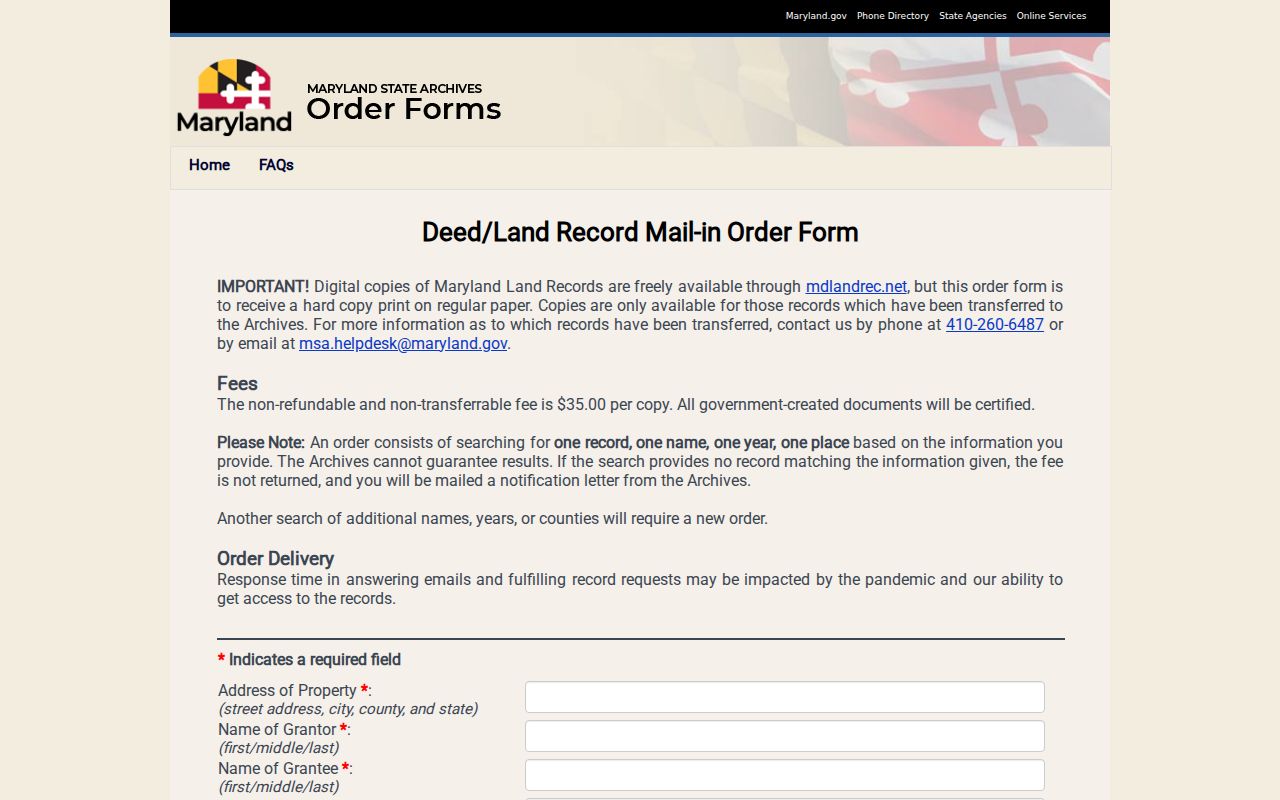
Need a certified copy? The Maryland State Archives certified deed-copy order form is the documented mail route, at a stated fee of $35 per certified deed copy.
MDLandRec Version 5.0 requires a free account. Multifactor authentication is also required for full searching and images. Search both grantor and grantee, because a recorded party can be a purchaser, seller, representative, lender, or other named role.
- Grantor / grantee
- The grantor transfers an interest in a recorded instrument; the grantee receives that interest. Those terms identify a document role, not a present household.
- Chain of title
- The linked sequence of recorded transfers for a parcel or legal description. It may have gaps, corrections, or instruments that require closer review.
- Legal description
- The lot, block, metes-and-bounds, or other recorded land description. It usually survives address renumbering better than a street number.
Match Beltsville Lots to Plats
Plats bridge old and new parcels. A recorded plat can tie the modern parcel to a prior lot, block, subdivision, or boundary description. The Maryland State Archives basic plat search accepts a plat reference or book and page. Bring deed and SDAT details along. That is what the archive recommends. If a street name appears in more than one planning area, the tax map or WSSC grid from PGAtlas works as an extra check, and the Maryland State Archives plat-index basic search is the entry point for that recorded-map work.
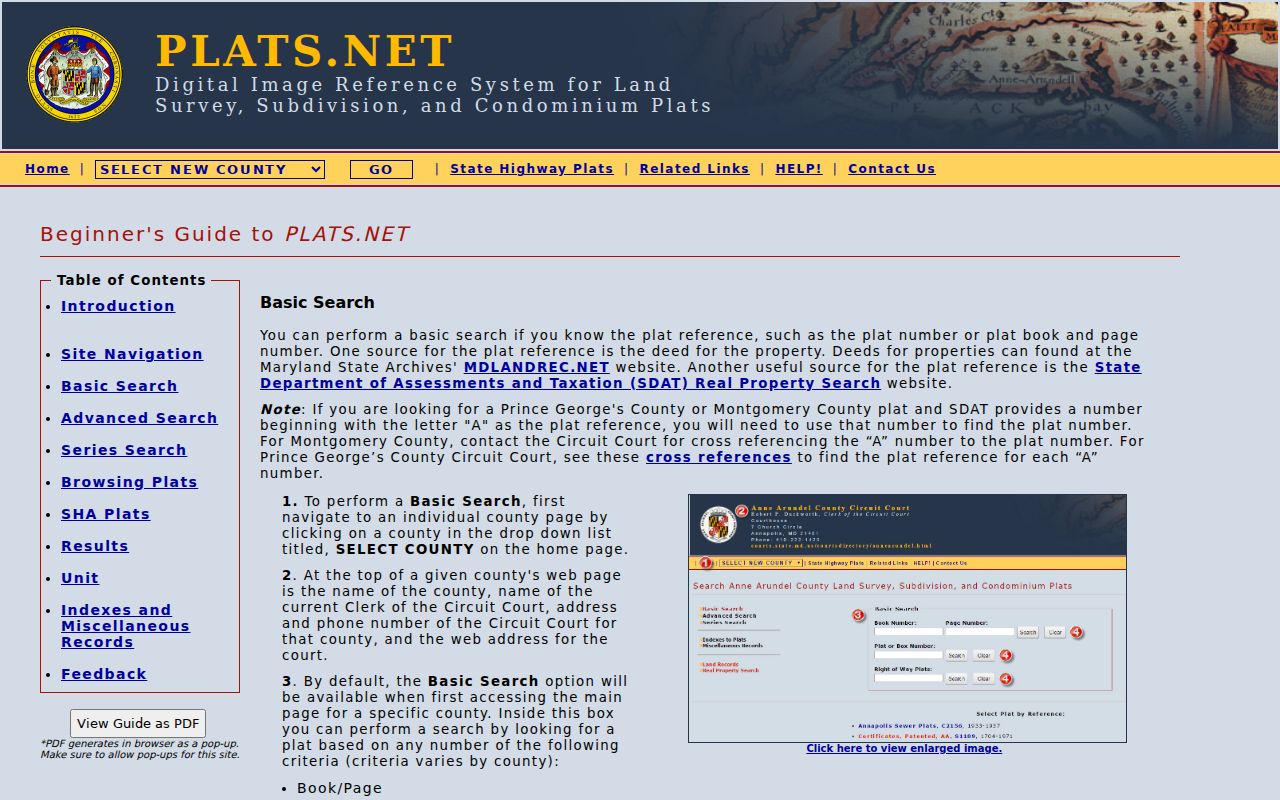
Plats prove land shape and labels, not occupancy. They shine when a deed's legal description must travel across a changed address or subdivision name.
Date a Beltsville Address Carefully
Permits add a dating layer. They do not replace the deed chain. Prince George's County's open-data permit export starts in July 2013. The record is split, though. Legacy coverage runs from 2014 through May 1, 2023, while Momentum and ProjectDox-related records cover later work. Keep the system name, permit or case number, status, address, and date together in the address log.
A permit explains construction. It can also flag a change visible in imagery. Residency is a different question. Applicants, contractors, and project contacts are not occupants by definition. For a missing online record, request a named existing permit or administrative record with a defined date range under the Maryland Public Information Act, General Provisions §§4-202–4-203.
Note: The permit system and record date matter, because a later portal does not replace every older county permit entry.
Find Past Beltsville Households in Print
Beltsville never had its own standalone city directory. The documented alternatives are regional. MSA lists R.L. Polk & Co.'s Polk's Laurel (Prince George's County) City Directory, 1962, and the Library of Congress holds Washington Metro telephone directories for 1966/67 and 1974/75. A regional title can still mention Beltsville. Publisher coverage followed the market, not the CDP boundary.
The Prince George's County Memorial Library System hosts the Prince George's Room, its local-history hub. That room holds historical newspapers on microfilm, a reader, Sanborn maps, court proceedings, assessment books, and local-history materials. Its newspaper reels include the Prince George's Sentinel, Prince George's Post, Bowie Blade, and Laurel Leader. Ask staff for the reel inventory. The source page does not publish full runs.
A subscriber line can be a household, organization, or institution, and it speaks only to the printed year. Treat every entry as a dated household clue. It is not a modern status statement. The Beltsville city directory page gathers the historical-collection details and sources.
Pair Beltsville Directories and Census
Past Beltsville residents come into focus that way. Directory years read best beside census and newspaper evidence. Start from the printed address line. Keep its exact city or regional label. Then compare it with the nearest publicly released federal census. Census geography shifts over time, so an enumeration district or community label must be bridged carefully to the present parcel rather than assumed to match today's Beltsville CDP.
- Write down the directory title, publication year, page image, exact printed name, and address text.
- Search the surname and nearby address variants in PGCMLS resources, HeritageQuest, FamilySearch, or a federal census source.
- Compare household composition, street or locality, and the source year with the deed and assessment timeline.
- Check the Prince George’s Room microfilm around a transfer, permit, school event, or community notice for a second dated clue.
- Label the result subscriber, household member, deed party, or owner as the document supports. Do not merge those roles into one claim.
MSA's census guide points to Prince George's County resources for 1800 and 1850. PGCMLS directs readers to licensed genealogy and census databases. A census is a snapshot, not an address record.
Map Beltsville Before Modern Addresses
Before modern street addresses, search county legal geography. County court and land series for Prince George's County start in 1696. Early records use historic places and land descriptions, the old county record guide notes. North Beltsville, Vansville, and West Laurel help. These map and plan terms matter. A current address may not appear under the expected name. The Maryland State Archives old Prince George's County record guide identifies early court material. It also shows the 2001 transcription route.
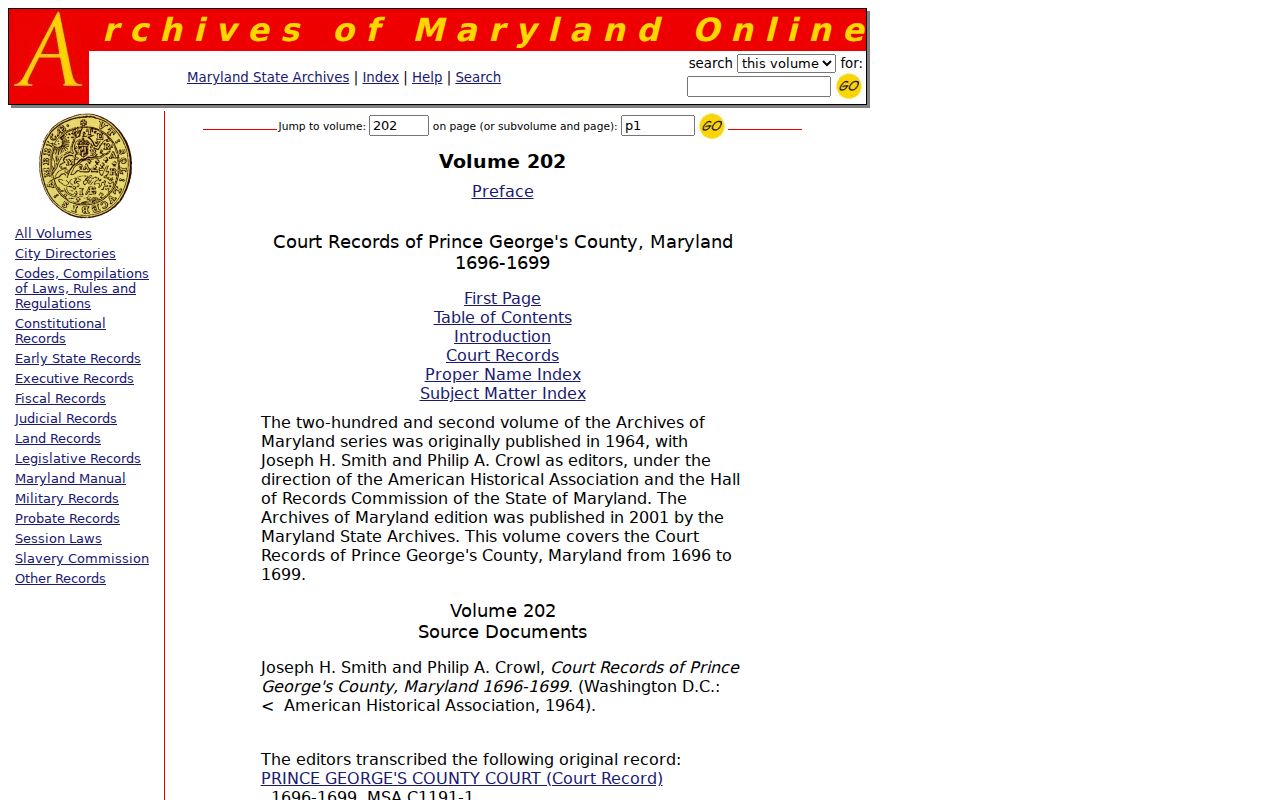
These county materials can explain an older legal description. They cannot convert colonial or county evidence into a modern Beltsville street address without a documented bridge. For map context, fire-insurance records help. The Library of Congress Sanborn research guide explains how to search city, state, edition, sheet, and notes in those maps.
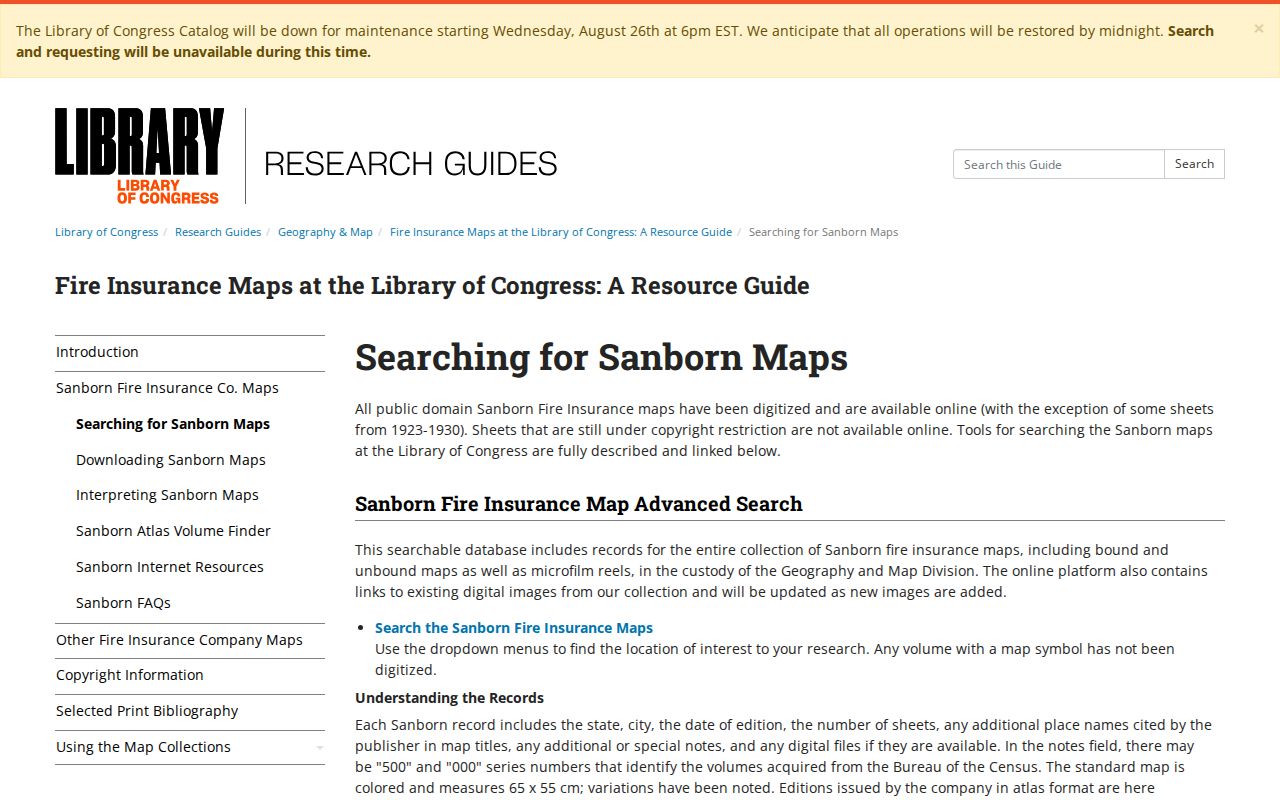
No dedicated Beltsville Sanborn volume appears in the official finder. Use M-NCPPC's Baist 1904 and 1918 raster maps instead. Historical aerial imagery also works, and each map series should be named correctly rather than called Sanborn.
Beltsville Archive Context
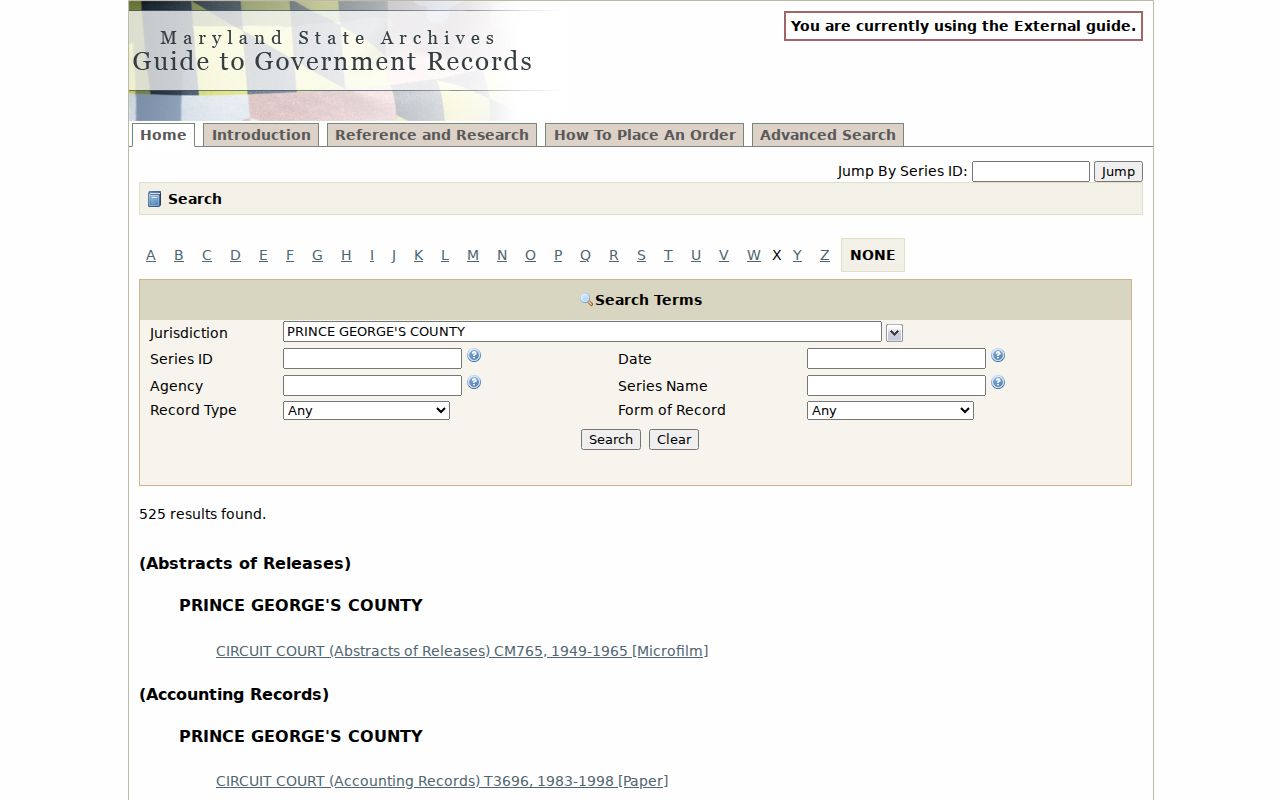
Some historical material adds context without proving an address. MSA's Prince George's County naturalization series can identify a court event, a citizenship date, or a country-of-origin detail relevant to a family-history question. That detail can set a timeline. Keep it beside the address evidence. It supports land, directory, census, and newspaper records tied to the address rather than replacing them. The Maryland State Archives Prince George's County series guide is a useful route to those archival holdings.
A record's date and court set a family timeline. But it is not an address index. Use it only after another source connects the family to the location.
Separate Beltsville Previous Resident Roles
One address produces several kinds of names. SDAT lists a tax owner and a mailing recipient. MDLandRec names grantors, grantees, trustees, lenders, and other recorded parties. A telephone directory shows a subscriber. A census record reports a household in time. A permit names an applicant or a project role. The records corroborate one another, but labels matter. When entries conflict, favor the record that directly answers the narrow question, and note its date. A mailing address is not a situs address, a deed party is not automatically the ongoing owner, and a subscriber or census household is not proof of later occupancy. That careful labeling makes the past-residents trail more accurate and more respectful.
Past Households at a Beltsville Address
Address-history research suits house history, family history, estate or heir questions, and plain curiosity. Begin with the exact address. Then move backward through parcel, deed, map, directory, newspaper, and census evidence. Some gaps stay open. When a source cannot resolve one, the next route is the Prince George's Room, Maryland State Archives, the Circuit Court clerk terminal in Upper Marlboro, or a mail copy order. Guessing is not a route.
Lawful personal history. Keep each Beltsville record in its proper historical context. Do not use address-history material to stalk, harass, intimidate, track, or harm any living person.
Some county administrative records are not online. Request only the necessary date, address, and record type under the MPIA. Exempt material may be withheld or redacted. Archival records follow the library or archive's own access process.